How Do Metal Purity Standards Work?
Metal purity standards work by measuring how much of a precious metal item is made of the stated metal versus other metals or alloys. For example, a gold coin that is 99.99% pure contains almost entirely gold, while a 91.67% pure gold coin contains gold plus other metals added for strength. For retirement investors, these standards matter because the IRS, dealers, refiners, and global markets use purity levels to determine whether a coin or bar is acceptable for investment, retirement accounts, and resale.
Understanding purity metals explained in plain terms can help investors compare products more confidently. It also helps separate a coin’s collectible value from its metal value. When you are buying gold, silver, platinum, or palladium for long-term wealth protection, purity is one of the first details to understand.
What Metal Purity Means
Metal purity refers to the percentage of a precious metal in a coin, bar, or round. No investment product should be judged only by how it looks. Two gold coins may be the same size, but they may not contain the same amount of actual gold if their purity levels are different.
Gold purity is often described in karats or fineness. Karats are most often used in jewelry. Pure gold is 24 karat, while 22 karat gold is 22 parts gold and 2 parts other metals. In contrast, investment bullion is usually described by fineness, such as .999 or .9999.
Fineness standards metals use parts per thousand. A gold bar marked .9999 fine means it is 999.9 parts gold out of 1,000. A silver coin marked .999 fine means it is 999 parts silver out of 1,000. In other words, fineness is a precise way to state purity.
This system makes metals easier to trade across markets. A buyer in one country and a seller in another can both understand what .999 fine silver or .995 fine platinum means. As a result, purity standards support trust, pricing, and liquidity.
Why Purity Standards Matter to Retirement Investors
Retirement investors usually buy precious metals for preservation, diversification, and long-term stability. Therefore, the purity of a metal product is not just a technical detail. It affects eligibility, value, and resale options.
Specifically, precious metals held in a self-directed IRA must meet certain minimum purity standards set by the IRS. Most IRA-eligible gold must be at least 99.5% pure. Silver generally must be at least 99.9% pure. Platinum and palladium generally must be at least 99.95% pure.
There are some exceptions, such as certain U.S. coins that are allowed even if their purity differs from the general standard. However, investors should never assume that a popular coin automatically qualifies for a retirement account. The product, purity, mint, and custody arrangement all matter.
Purity also affects the price you pay and the amount of metal you own. A coin with lower purity may still contain the same total gold weight if it is larger, but that must be verified. For this reason, investors should focus on actual precious metal content, not just gross weight.
Fineness Standards and Common Examples
Fineness standards metals are most often shown as decimal numbers. A .999 fine silver coin is 99.9% silver. A .9999 fine gold bar is 99.99% gold. A .995 fine gold product is 99.5% gold.
These small differences may seem minor, but they have practical meaning. For example, one-ounce gold products are typically designed to contain one troy ounce of actual gold, even if alloy metals are present. The total coin weight may be slightly higher when the purity is lower. This is common with 22-karat gold coins.
Some investors prefer higher-purity coins and bars because they are simple to understand. Others may choose well-known sovereign coins that have slightly lower purity but strong recognition. Ultimately, market acceptance depends on more than purity alone. Mint reputation, condition, demand, and authenticity also play important roles.
Furthermore, different metals have different common standards. Silver bullion is commonly .999 fine. Gold bullion often ranges from .995 to .9999 fine. Platinum and palladium investment products are commonly .9995 fine. These standards reflect market expectations and, in many cases, IRA rules.
Purity, Weight, and Melt Value
Purity must be considered together with weight. The value of a bullion item is based mainly on how much actual precious metal it contains. This is often called melt value, intrinsic value, or metal content value.
For example, a coin may weigh more than one troy ounce because it contains alloy metals. However, if it is sold as a one-ounce gold coin, it should contain one troy ounce of actual gold. The extra weight comes from copper, silver, or other metals that make the coin more durable.
This is why investors should be careful when comparing products by total weight alone. A one-ounce .9999 gold bar and a 22-karat gold coin may both contain one troy ounce of gold, but their gross weights will differ. In addition, premiums over spot price can vary.
A sound comparison looks at actual metal content, purity, mint reputation, and total cost. In particular, retirement investors should pay attention to liquidity. Products with widely recognized purity and minting standards are generally easier to sell when the time comes.
How Purity Is Verified
Precious metal purity can be verified in several ways. Reputable mints and refiners stamp bars and coins with their weight and fineness. Many bars also include serial numbers and assay certificates. These markings help confirm the product’s specifications.
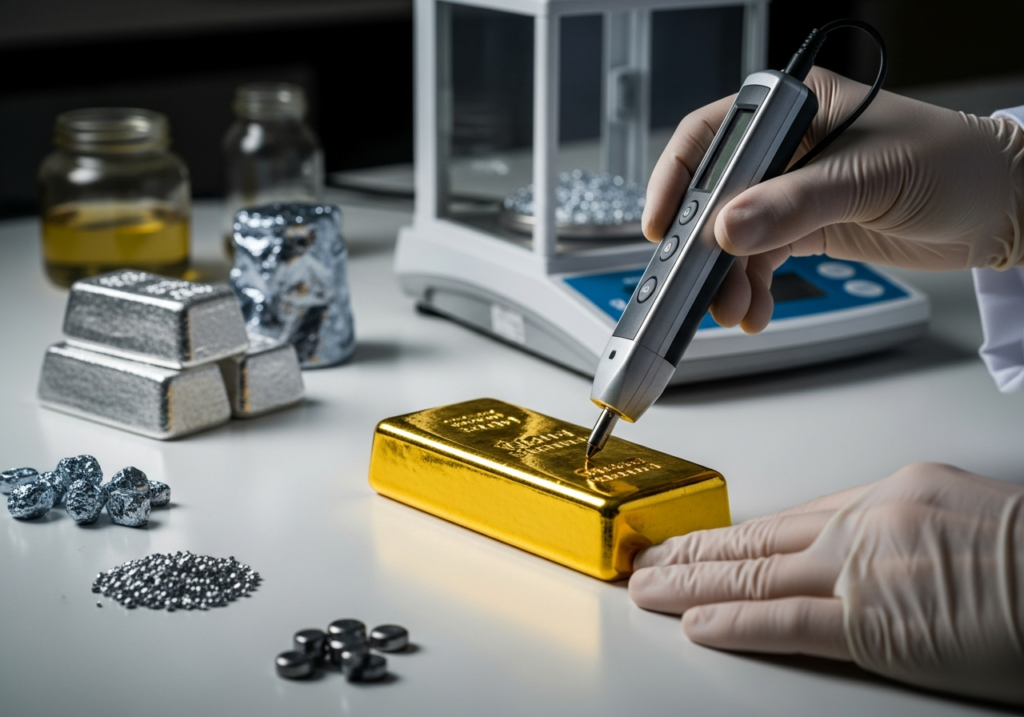
Dealers and refiners may also use testing methods. Common tools include electronic testers, X-ray fluorescence testing, ultrasound testing, and specific gravity testing. In some cases, a fire assay may be used, especially for refining or large transactions. Each method has strengths and limits.
For most retirement investors, the best protection is to buy recognized products from reputable sources and keep proper records. Moreover, IRA metals must be held by an approved custodian or depository, not stored personally by the account owner. This custody structure helps preserve the chain of ownership and supports future verification.
However, investors should still understand what they own. A clear invoice should identify the metal type, product name, weight, and purity. Good documentation can reduce confusion later, especially for heirs, trustees, or future liquidation.
Purity Versus Collectability
Purity is not the same as collectible value. A rare coin may trade for far more than its metal content because of age, condition, scarcity, or numismatic demand. In contrast, bullion coins and bars are valued primarily for their precious metal content.
Retirement investors should understand this distinction. If the goal is simple metal exposure, bullion products with clear purity and strong market recognition are often easier to evaluate. Collectible coins require a different skill set and may involve wider bid-ask spreads.
Nevertheless, some government-minted bullion coins are both attractive and highly liquid. Their value still comes mostly from metal content, but their legal tender status and mint recognition can help marketability. The key is knowing whether you are paying mainly for metal or for numismatic features.
Ultimately, purity standards bring discipline to the precious metals market. They allow investors to compare gold, silver, platinum, and palladium products with greater confidence. For retirement planning, that clarity is especially valuable.
FAQ
What purity is required for metals in a precious metals IRA?
Most gold held in a precious metals IRA must be at least 99.5% pure. Silver generally must be at least 99.9% pure, while platinum and palladium generally must be 99.95% pure. These are broad IRS standards, though certain qualifying coins may be treated differently.
In addition, the metal must usually be produced by an approved government mint or accredited refiner, assayer, or manufacturer. The metals also must be held by a qualified IRA custodian and stored in an approved depository. Therefore, both the product and the account structure must meet the rules.
Is higher purity always better for investors?
Higher purity is often easier to understand, but it is not always the only factor that matters. A .9999 fine gold bar may appeal to investors who want straightforward bullion exposure. However, some lower-purity coins are widely recognized and highly liquid because they contain a stated amount of actual gold.
For this reason, investors should compare total metal content, premium, resale market, and IRA eligibility. Higher purity can be a benefit, but a well-known product with strong market demand may also be suitable.
What does .999 fine mean?
A .999 fine metal is 99.9% pure. In practical terms, a .999 fine silver coin contains 999 parts silver out of 1,000 parts total metal. The remaining portion may include trace elements or minor impurities.
This fineness system is widely used in the bullion market because it is precise and easy to compare. When investors see .999 silver or .9999 gold, they are looking at a standardized purity statement used by mints, refiners, and dealers.
How can I tell if a gold or silver product is pure?
Most investment-grade coins and bars show their purity directly on the item. A bar may be stamped with “1 oz .9999 fine gold,” while a silver coin may state “1 oz fine silver.” Packaging, assay cards, and invoices can also confirm details.
However, markings alone are not enough if the source is questionable. Counterfeit products can carry false stamps. Consequently, investors should buy from reputable dealers, favor recognized mints or refiners, and keep documentation. For larger holdings, professional testing can provide added confidence.
Does purity affect the resale value of precious metals?
Yes, purity affects resale value because buyers price metals according to actual precious metal content. A product with clear purity, standard weight, and strong recognition is usually easier to sell. Dealers can quickly assess it and quote a price based on the current spot market plus or minus product-specific factors.
That said, resale value also depends on demand, condition, brand, and premiums. In particular, widely traded bullion coins and bars tend to have more transparent pricing. Clear purity standards help make that resale process more efficient and reliable.