Why are some bullion coins more expensive? The short answer is that not all bullion coins are priced solely on their metal content. While the value of gold or silver sets a baseline, additional factors such as design premium, mint reputation, production costs, and supply and demand create a brand price difference between coins. As a result, two coins containing the same amount of precious metal can sell at noticeably different prices.
Understanding Spot Price Versus Premium
Every bullion coin begins with the spot price of gold or silver. The spot price reflects the current market value for immediate delivery of the metal itself. However, when you purchase a bullion coin, you pay more than the spot price. That additional amount is called the premium.
This premium covers refining, minting, distribution, and dealer margins. In addition, it can include a design premium based on artistry or collectability. Therefore, when investors ask why some bullion coins are more expensive, the answer often lies in the size and components of that premium.
For example, a one-ounce gold coin from a major government mint may carry a higher premium than a privately minted round. The gold content is the same, yet the total price differs due to brand reputation and demand.
The Role of Design Premium
Some bullion coins are more intricately designed than others. Detailed engraving, advanced security features, and annually changing artwork can increase production costs. In particular, coins with limited mintage designs often command higher prices.
A design premium reflects the added value investors place on craftsmanship and aesthetic appeal. While bullion coins are primarily investment vehicles, their appearance still matters. Coins such as the American Gold Eagle or Canadian Maple Leaf are known not only for purity but also for distinctive imagery.
Moreover, certain designs develop strong followings over time. When collectors and investors compete for the same coin, the premium rises. This does not necessarily mean the metal is worth more. Instead, the coin itself becomes more desirable.
Brand Price Difference and Mint Reputation
Mint reputation is one of the biggest reasons bullion coins vary in price. Government-backed mints such as the U.S. Mint, Royal Canadian Mint, and Perth Mint have built global trust over decades. Consequently, their coins often carry higher premiums than lesser-known private mint products.
This brand price difference reflects confidence. Investors around the world instantly recognize certain coins. They know the weight, purity, and authenticity are backed by a sovereign government. As a result, these coins are often easier to resell.
In contrast, generic rounds or bars from private mints may trade closer to spot price. While they still contain the same amount of precious metal, they may not have the same level of recognition. Therefore, dealers may offer slightly lower buyback prices, which contributes to the lower premium on the front end.
In other words, part of what you are paying for is liquidity. Highly recognized coins tend to sell more quickly and with tighter bid-ask spreads. Many retirement investors are willing to pay a bit more upfront for that flexibility.
Supply and Demand Dynamics
Supply and demand significantly influence bullion pricing. When demand surges during times of economic uncertainty, premiums can rise sharply. Even widely produced coins may temporarily become more expensive.
Furthermore, limited mintage coins often carry higher premiums from the start. If a mint intentionally restricts production, scarcity can drive prices up. This is especially true when investor demand exceeds available supply.
However, premiums can also shrink when supply stabilizes or demand declines. For this reason, bullion coin pricing is not fixed. It responds to market conditions just like the metal itself.
Production Costs and Distribution
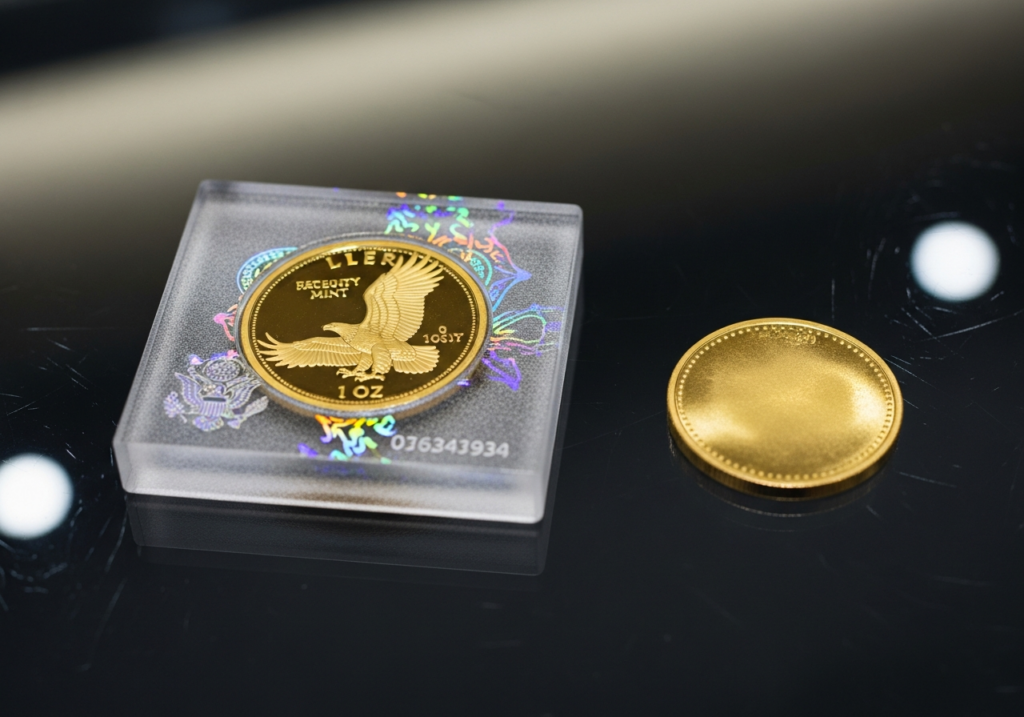
Not all bullion coins are equally expensive to produce. Advanced anti-counterfeiting features, special finishes, and higher labor costs increase mint expenses. For example, coins that include micro-engraved security markings or radial lines often cost more to manufacture.
In addition, international distribution can raise costs. Imported coins may reflect shipping, insurance, and currency exchange considerations. Consequently, the final retail price incorporates more than just metal value.
Although these costs may seem small on a per-coin basis, they contribute to noticeable price differences across products.
Bullion Versus Semi-Numismatic Coins
It is also important to distinguish between standard bullion coins and semi-numismatic coins. Standard bullion coins derive most of their value from metal content. Semi-numismatic coins, however, carry collectible appeal due to rarity, proof finishes, or special releases.
Semi-numismatic products often have a significantly higher design premium and brand price difference. They may appreciate based on collector demand rather than solely on gold or silver prices.
For retirement investors, this distinction matters. Those seeking straightforward exposure to precious metals often prefer lower-premium bullion. Meanwhile, investors who are comfortable with collectible markets may accept higher premiums in exchange for potential additional upside.
Ultimately, the best choice depends on your objectives. If your goal is metal accumulation at the lowest cost, a lower-premium option may be appropriate. If liquidity, recognition, and global trust are priorities, paying more for a well-known coin may be justified.
Why Premiums Matter for Retirement Investors
Premiums directly affect how much metal you receive for your investment dollars. A higher premium means more of your money goes toward costs beyond raw metal value. Therefore, understanding why some bullion coins are more expensive helps you make informed comparisons.
Yet price alone should not be the only factor. Liquidity, resale spreads, and personal comfort with a particular mint also matter. In many cases, widely recognized coins recover their premiums more readily when sold.
In retirement planning, preservation and flexibility often outweigh small cost differences. Consequently, many experienced investors balance lower-premium options with a selection of highly trusted sovereign coins.
FAQ
Are higher-priced bullion coins a better investment?
Not necessarily. A higher price often reflects a larger premium rather than more gold or silver. However, coins with strong global recognition may be easier to sell and could maintain tighter buy-sell spreads. The key is understanding what portion of the price represents metal value versus premium.
What is a normal premium for bullion coins?
Premiums vary by market conditions, coin type, and metal. In stable markets, common gold bullion coins may carry modest single-digit percentage premiums, while silver premiums can fluctuate more widely. During periods of high demand, premiums can increase substantially. Therefore, comparing multiple reputable dealers can provide perspective.
Does a design premium add long-term value?
Sometimes, but not always. A design premium reflects craftsmanship and collectability. If demand for that design grows, the coin may retain or increase its premium. However, if investor interest fades, the added premium may narrow. Investors focused strictly on metal content often prefer coins with lower design premiums.
Why do government-minted coins cost more than generic rounds?
Government-minted coins typically carry a brand price difference because of sovereign backing, strict purity standards, and widespread recognition. As a result, they are often easier to trade internationally. Generic rounds may offer lower upfront costs, yet they may not command the same resale confidence.
Should retirement investors focus on lower premiums?
It depends on priorities. Lower premiums maximize metal ownership for each dollar invested. Nevertheless, coins with strong brand recognition may provide smoother liquidity. Many retirement investors choose a balanced approach, holding primarily widely recognized bullion while staying mindful of premium levels.
Understanding why some bullion coins are more expensive allows you to evaluate the true cost of ownership. By separating metal value from premiums tied to design, brand, and demand, you can choose products that align with your long-term retirement strategy.