
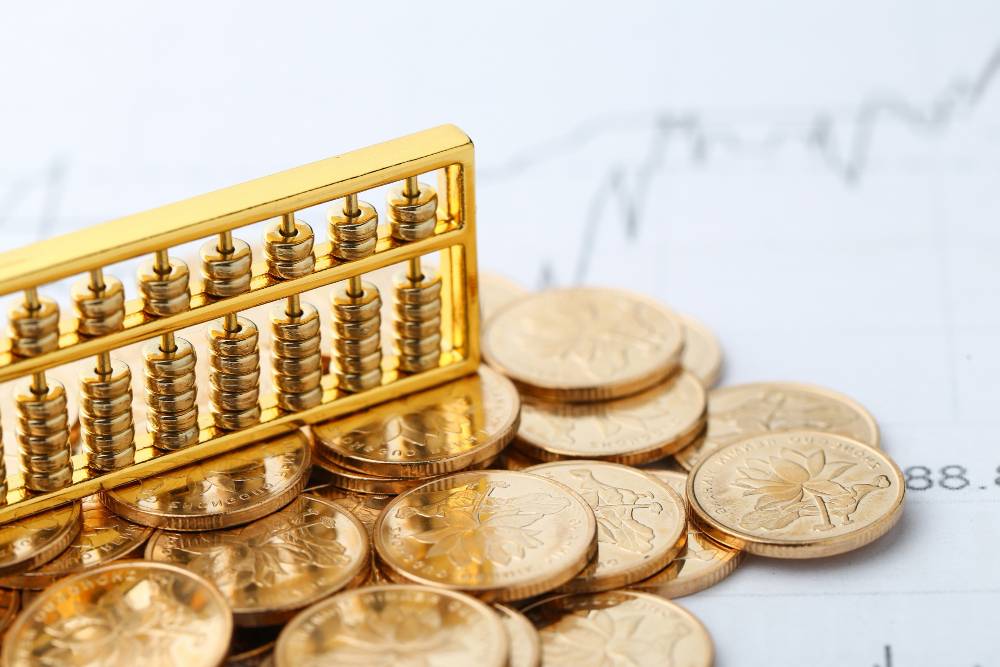
Gold and silver can offer investors a way to diversify when inflation, changing interest rates and market volatility create uncertainty. In 2026, more investors are buying gold and silver as they look for greater control over how their savings are positioned during shifting market conditions.
That interest is also reaching retirement planning, where market swings and changing rates can affect long-term financial goals. For many savers, the question is no longer whether precious metals are worth considering, but how gold and silver could fit alongside stocks, bonds, cash and retirement accounts.
This blog breaks down the reasons behind current demand, the key differences between gold and silver, what first-time buyers should review, and how to compare dealers before making a purchase.
Why Precious Metals Still Matter in 2026
A gold and silver investment can appeal to investors because precious metals are physical stores of value. Their worth does not depend on company earnings, bond issuers, or banks. While prices can fluctuate, metals offer a distinct asset class within a broader investment plan.
For long-term holders, this distinction can matter during market stress. For example, when stocks fall, or inflation weakens cash, physical metals provide another asset to hold or draw from. This can help retirees manage financial plans during costly years.
Top Reasons Investors Are Buying Gold and Silver
The main reasons for buying gold and silver may begin with risk control. Some investors seek inflation protection, while others prefer tangible assets, market hedges, or long-term wealth storage. A sound gold and silver investment plan starts by connecting these reasons to specific financial goals.
Here are some of the top reasons:
Hedge Against Inflation
Gold and silver have long been viewed as stores of purchasing power. As food, fuel, rent, and healthcare costs rise, cash may lose buying power over time. Metals can help offset that pressure since their value is not tied to one currency.
For investors relying on fixed income, rising costs can put pressure on retirement plans. Metals do not eliminate inflation risk, but they can provide added protection when cash loses strength.
Before investing, compare metal purchases with actual spending needs. Review income, cash reserves, and debt before moving money into an asset that can fluctuate in value.
Portfolio Diversification
Gold and silver can move differently from stocks and bonds, giving them a distinct place in a broader portfolio. Rather than replacing growth assets, metals can reduce reliance on a single source of returns.
A balanced plan may include:
- Stocks for long-term growth
- Bonds or cash for income and liquidity
- Real estate for income or use value
- Metals for tangible reserve value
Pro tip: Diversification works best when every asset has a defined purpose. Metals may provide support during market stress, but they should fit the broader financial plan.
Tangible Assets With Intrinsic Value
Physical metals give investors direct ownership of assets they can see, store, and verify. This differs from paper assets that depend on issuers, platforms or account systems.
Gold and silver do not generate income and require secure storage. Still, many buyers value their limited counterparty exposure. Once a verified coin or bar is purchased and stored properly, its value does not depend on a company remaining solvent.
First-time buyers should review:
- Premiums above the spot price
- Product weight and purity
- Proof of source and authenticity
Global Uncertainty and Safe-Haven Demand
Gold and silver tend to attract attention when market confidence weakens. Currency stress, war risks, banking concerns, and rate changes can all influence demand. Safe-haven demand does not mean prices rise whenever negative news appears. It means some buyers turn to assets outside traditional paper markets.
The 2026 market also shows how quickly sentiment can change. GoldSilver reported that the gold price correction in 2026 has pulled gold down roughly 16% from its Jan. all-time high of $5,589. Such swings reinforce the value of having a plan rather than buying based on fear.
Long-Term Wealth Preservation
Many investors hold metals for years, viewing them as a way to preserve wealth over time. Gold, in particular, has a long history of wealth storage across generations, while silver can serve a similar purpose with greater price movement.
For retirement investors, the key question is what role metals should serve. If stability is the priority, gold may carry more weight. If greater price movement is acceptable, silver may deserve more attention.
Gold vs. Silver: Which Fits Your Goals?
A gold and silver investment should start with your financial goals. Both can support wealth preservation, but gold typically offers greater value in less space, while silver costs less per ounce and tends to see sharper price swings.
That difference is reflected in current demand. For example, a 2025 World Gold Council survey found that 95% of respondents expected global central bank gold reserves to rise over the next 12 months. Silver has also surged, breaking its US$49.95 record in October 2025 before reaching US$121 per ounce in early 2026.
Here is a short table that can help you decide the mix:
| Factor | Gold | Silver |
| Typical entry cost | Higher per ounce | More accessible |
| Price behavior | More stable | More volatile |
| Common use case | Wealth preservation | Growth potential + industrial demand |
| Storage footprint | Compact for value | Bulkier per dollar |
| Best suited for | Long-term holders | Investors comfortable with swings |
How to Invest in Silver and Gold: Getting Started
Learning how to invest in silver and gold starts with a clear process. So, take time to review these details before placing a first order:
- Define the goal: Decide whether you want wealth storage, inflation protection, growth potential, or retirement diversification. This helps narrow the choice between gold, silver or both.
- Choose the form: Common options include bullion coins, bars and rounds. Coins may carry higher premiums, while bars can provide more metal per dollar.
- Set an allocation: Metals should fit alongside stocks, bonds, cash and other assets. Avoid making an all-in decision based on short-term news or fear.
- Plan secure storage: Options include a quality home safe, bank safe-deposit box or insured private storage. Retirement account metals have separate custody requirements.
- Choose a reputable dealer: Compare spot prices, premiums, shipping terms, buyback policies and product sources before purchasing.
Where to Buy Gold and Silver Safely
Before buying gold and silver, review these dealer details to compare the total cost and terms clearly:
- Compare listed prices with live spot prices
- Ask how weight and purity are verified
- Review delivery, insurance and signature requirements
- Check return, cancellation and buyback terms
- Avoid vague product names or unclear photos
Frequently Asked Questions
- Is 2026 a good time to start buying gold and silver?
2026 may be a reasonable time to start if the purchase fits a clear plan. Inflation concerns, market stress, and currency risk all support interest in buying gold and silver, but buyers should avoid short-term emotion.
- How much of my portfolio should be in precious metals?
A common framing is to keep metals as a modest part of a broader plan, not the full plan. The right level depends on age, income needs, debt, risk comfort, and other holdings.
- Should I buy gold or silver first?
Gold may fit first if the main goal is wealth storage. Silver may fit first if the buyer wants lower entry cost and accepts wider price swings.
- Where can I safely buy gold and silver online?
The safest choice is a reputable, clear dealer with posted pricing, product details and secure delivery terms. Compare where to buy gold and silver by checking reviews, authenticity support, and buyback policies.
- What’s the best way to store physical metals?
The best storage choice depends on access needs and value held. Home safes offer control, while private insured storage may suit larger holdings or retirement account rules.
- How do I know I’m buying authentic gold and silver?
Buy from dealers that provide clear product data, recognized mint or refiner details, and verification support. For larger purchases, buyers can also use third-party testing or sealed products from known sources.
Final Thoughts
Gold and silver can suit investors looking for long-term stability, tangible value and greater portfolio balance. Before making a decision, define your goals, compare both metals, review storage options, and evaluate the dealer carefully.
If you are ready to explore your options or have questions, our team at Sanctuary Metals is here to help you make informed decisions about buying gold and silver.