When clients ask me how to sell silver bullion, the question usually comes at a moment of decision. They may be rebalancing a portfolio, raising liquidity in retirement, or taking advantage of favorable prices after a long holding period. Whatever the reason, the objective is the same: convert physical silver into cash efficiently, fairly, and without avoidable mistakes.
Selling silver is not complicated, but it requires discipline. The way you execute the sale will directly affect your net proceeds. In retirement, when every percentage point matters, that detail deserves careful attention.
Understanding What You Own Before You Sell
Before discussing how to sell silver bullion, we first clarify what form of silver you hold. Not all silver is treated equally in the marketplace.
Investment-grade silver generally falls into three categories:
• Government-minted bullion coins (such as American Silver Eagles or Canadian Maple Leafs)
• Privately minted silver rounds
• Silver bars in various weights (1 oz, 10 oz, 100 oz, or larger)
Each category carries a different bullion resale value commitment from dealers. Government-minted coins often command the strongest resale demand because they are widely recognized and easy to authenticate. Bars from reputable refiners also trade efficiently, particularly in standard sizes. In contrast, obscure or promotional pieces may face slightly larger bid-ask spreads.
Therefore, your first step is to inventory exactly what you own, confirm its purity (typically .999 fine), and understand its weight. Once you know that, you can evaluate the current market.
Spot Price and the Real Meaning of Value
Silver trades globally at the spot price — the current market value of one troy ounce of pure silver. But spot is never what you actually pocket.
Your real proceeds depend on:
- Spot price, minus the dealer’s bid spread, adjusted for product type and quantity
Dealers post a “buy” price — what they’ll pay you — which typically falls slightly below spot, though in high-demand environments it can approach retail premium levels.
Example: If silver trades at $30/oz, expect to receive $28–$29/oz for common bullion. That gap covers the dealer’s operating costs, hedging, and margin.
The bottom line: stop watching spot price alone. What matters is the bid price available to you on the day you sell.
Where to Sell Silver Bullion
A common concern is where to execute the sale safely. There are several viable channels, and each has advantages and trade‑offs.
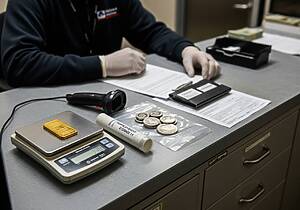
Local coin and bullion dealers offer immediate settlement. You can walk in with your metal and walk out with a check. This method is straightforward and provides transparency — particularly if you have an established relationship.
Online national dealers often offer competitive pricing because of volume. The silver buyback process typically involves locking in a price over the phone or online, shipping the metal fully insured, and receiving payment once it is verified. For larger holdings, this can result in slightly stronger pricing, even after shipping costs.
Auctions and peer‑to‑peer sales may sometimes offer marginally higher prices, especially for collectible coins. However, for straightforward bullion, these channels introduce additional complexity, fees, and sometimes risk.
For most retirement investors, I advise working with established bullion dealers — either reputable local firms or large national companies with clear silver buyback programs. The goal is clean execution, not squeezing out the last dime with unnecessary exposure.
Understanding the Silver Buyback Process
A professional silver buyback program should follow a predictable structure. When done correctly, it is efficient and transparent.
Typically, the process includes:
- Locking in a quoted bid price based on live market pricing
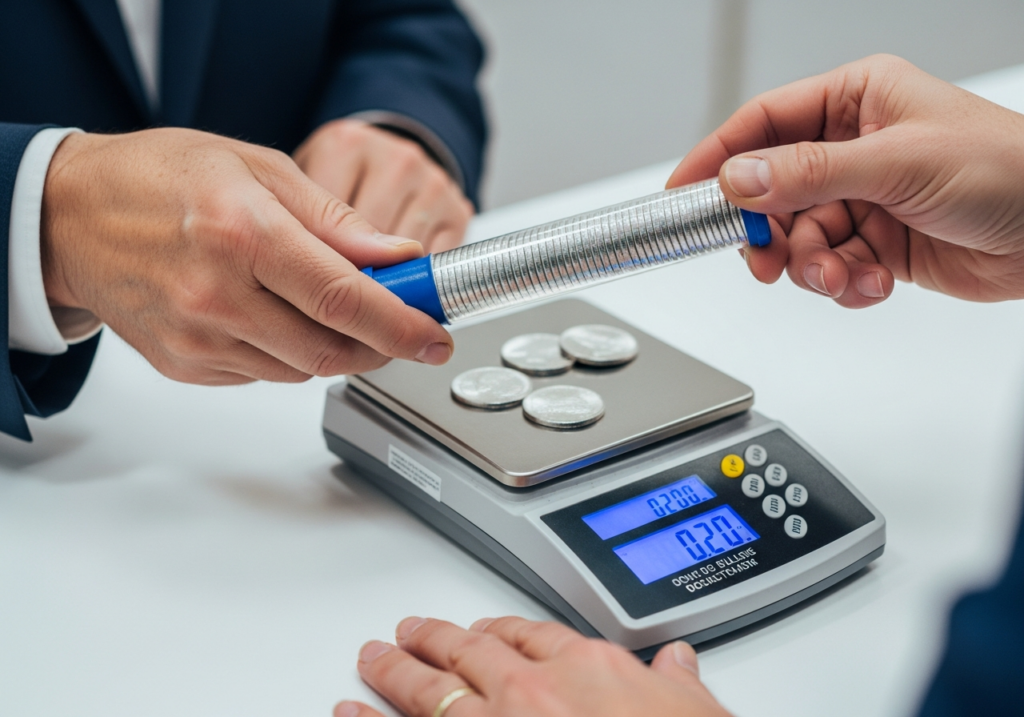
- Verifying weight and purity upon receipt or in person
- Settling payment promptly by check or wire
The most critical element is price locking. Silver markets move constantly. When you agree to sell, you want confirmation of the exact bid tied to that moment’s market price. Without a locked bid, you are exposed to market fluctuations.
Furthermore, verify settlement timing. A reputable dealer communicates clearly about when you will be paid, particularly in volatile markets.
Maximizing Bullion Resale Value
If you are focused on maximizing bullion resale value, preparation makes a difference.
First, maintain original packaging when possible. Sealed mint tubes or assay cards for bars improve buyer confidence and speed up verification. While it may not dramatically change pricing on common bullion, it often shortens inspection time and reduces dispute risk.
Second, group similar items together and provide clear totals of weight and product type. Dealers quote more efficiently when inventories are organized.
Third, consider timing. Silver is historically more volatile than gold. Rather than trying to call the exact top, evaluate whether current pricing meets your financial objective. In retirement planning, meeting a required distribution or funding a planned expense often matters more than chasing incremental gains.
Moreover, selling during high retail demand periods can narrow spreads. When investor demand surges, dealers compete more aggressively for inventory, improving effective bid prices.
Tax Considerations When Selling Silver Coins and Bullion
One area investors sometimes overlook when selling silver coins is taxation. In the United States, physical silver is generally treated as a collectible for capital gains purposes. Long‑term gains may be taxed differently than traditional equities.
Therefore, accurate cost basis records are essential. You should maintain documentation showing your original purchase price, including premiums paid. Without it, calculating capital gain becomes more difficult.
Additionally, large transactions may trigger reporting requirements from dealers under specific conditions. This does not automatically create a tax liability beyond capital gains, but it underscores the need to keep organized records.
In retirement accounts that hold physical metals, such as certain self-directed IRAs, the process differs. You cannot personally possess the metals, and liquidation typically occurs through the custodian. Proceeds remain within the account unless distributed formally.
As a result, before executing a sale, it is wise to consult your tax advisor to understand the implication in your particular situation.
The Common Mistakes to Avoid
After decades in this field, I see the same missteps repeated.
First, selling in panic during short-term price declines. Silver moves sharply. Decisions made in emotional moments often regret both the timing and the transaction costs.
Second, failing to compare dealer bids. Even a modest difference of 50 cents per ounce becomes meaningful on a 1,000-ounce position.
Third, neglecting security. Shipping silver without proper insurance or documentation exposes you unnecessarily. Always use insured, trackable methods as specified by the dealer.
Finally, some investors confuse collectible premiums with bullion value. Standard bullion trades on metal content. If you own numismatic or semi-numismatic items, the valuation process is different and requires specialist review.
When Selling Makes Strategic Sense
The decision to sell should align with portfolio objectives.
You may choose to sell when:
- Your allocation to precious metals has exceeded your target weighting
- You need liquidity for a planned retirement expense
- Silver prices have reached a level that meets your disciplined profit objective
- You are transitioning to a more conservative asset mix
In contrast, selling solely because of headlines or short-term volatility rarely supports long-term outcomes.
Silver plays a role in portfolio diversification and inflation protection. Therefore, liquidation should be measured against whether that role is still appropriate in your broader strategy.
Practical Execution: A Step‑by‑Step Perspective
When guiding a client through how to sell silver bullion, I typically recommend a simple, orderly sequence.
- First, confirm total ounces and product types.
- Next, monitor live silver pricing and decide your target exit range.
- Then, request bid quotes from at least two reputable dealers on the same day.
- Lock the trade at a firm bid.
- Finally, complete delivery securely and track settlement.
This sequence keeps emotion out of the transaction. In markets, structure creates clarity.
Maintaining Perspective
It is easy to focus entirely on the sales price. Yet the broader context matters. If silver has appreciated significantly since purchase, a slightly wider spread during sale does not erase the larger gain. Conversely, if markets are depressed but your allocation remains sound, patience may be the more valuable decision.
Therefore, selling silver bullion should not feel urgent unless your financial plan requires it. Measured decisions, based on portfolio needs rather than market noise, tend to produce the most satisfactory outcomes.
Conclusion
Understanding how to sell silver bullion is ultimately about disciplined execution. Know what you own. Understand the bid relative to spot. Work with reputable dealers. Protect yourself through proper documentation and secure handling. And most importantly, align the sale with your broader retirement objectives.
When approached thoughtfully, a silver buyback transaction is simply the final step in a well‑planned investment cycle — converting stored value into usable capital, efficiently and confidently.