Silver IRA rules can seem a little confusing at first, especially when you’re trying to determine what can go into a physical silver IRA. The main idea, however, is simple: not every silver coin or bar qualifies. The IRS has specific standards for what counts as IRA-eligible silver, and following those rules helps you maintain the tax advantages of your retirement account.
In this guide, you’ll learn which silver coins and bars may qualify, what purity standards apply, where your metals need to be stored, and how to start a silver IRA the right way.
What Is a Silver IRA and How Does It Work?
If you’re wondering how a silver IRA works, think of it as a self-directed IRA that allows you to hold physical silver rather than limiting your retirement account to paper assets such as stocks, bonds, or mutual funds.
A silver IRA generally involves three main parties:
- A custodian who handles your IRA paperwork and compliance
- A precious metals dealer who helps you purchase approved silver
- An approved depository where your silver is securely stored
This is where silver IRA rules matter. You cannot keep IRA-owned silver at home or place it in your personal safe. To remain compliant, you must hold it through a proper custodian and store it in an approved depository.
You still own the silver through your IRA, but the physical metal remains in secure storage. This arrangement keeps the account properly documented while helping maintain its tax-advantaged status.
The Core IRS Silver IRA Rules You Need to Know
Before you choose coins or bars, it helps to understand the main silver IRA requirements that determine whether a product qualifies.
Purity and Fineness Requirements
Under general IRS requirements, silver bullion must typically meet .999 fineness, which means it is 99.9% pure. This standard helps establish that the silver meets recognized investment-grade requirements.
The American Silver Eagle also receives federal IRA ownership authorization. This makes it one of the most widely recognized silver coins used in precious metals IRAs and an important product to know when reviewing eligibility requirements.
Approved Mints and Manufacturers
Your silver should also come from a recognized source, such as a national government mint or an approved refiner. This helps establish that the metal is genuine, properly identified, and suitable for use within a retirement account.
One common mistake is assuming that older U.S. silver coins automatically qualify. Pre-1965 U.S. “junk silver” coins generally contain 90% silver, so they do not meet the standard typically required for IRA silver.
Storage and Custodian Requirements
IRA-owned silver must be held through a qualified custodian or trustee and stored in an approved depository. You also need to avoid prohibited transactions, including personally using or taking possession of metals owned by the IRA.
Here’s a quick compliance check:
- Silver generally must be .999 fine
- It should come from an approved mint or refiner
- It must be stored in an approved depository
- The account must follow self-dealing and prohibited transaction rules
Once you understand these basic requirements, reviewing eligible silver products becomes much more straightforward.
Which Silver Coins Are IRA Eligible?
When reviewing IRA-eligible silver coins, focus on government-minted coins that meet applicable IRS requirements or are specifically authorized for IRA use.
Common examples include:
- American Silver Eagle
- Canadian Silver Maple Leaf
- Austrian Silver Philharmonic
- Australian Silver Kangaroo
The American Silver Eagle is especially common in precious metals IRAs because it is specifically authorized for IRA ownership. Other silver coins may also qualify when they meet the required purity and mint standards.
Remember that an attractive or valuable silver coin does not automatically belong in a silver IRA. Collectible, numismatic, graded, and many rare coins are generally excluded. A coin may have significant collector value without meeting the requirements for retirement account ownership. When applying silver IRA rules, focus on eligibility and compliance, not collectible appeal.
Which Silver Bars and Rounds Are IRA Eligible?
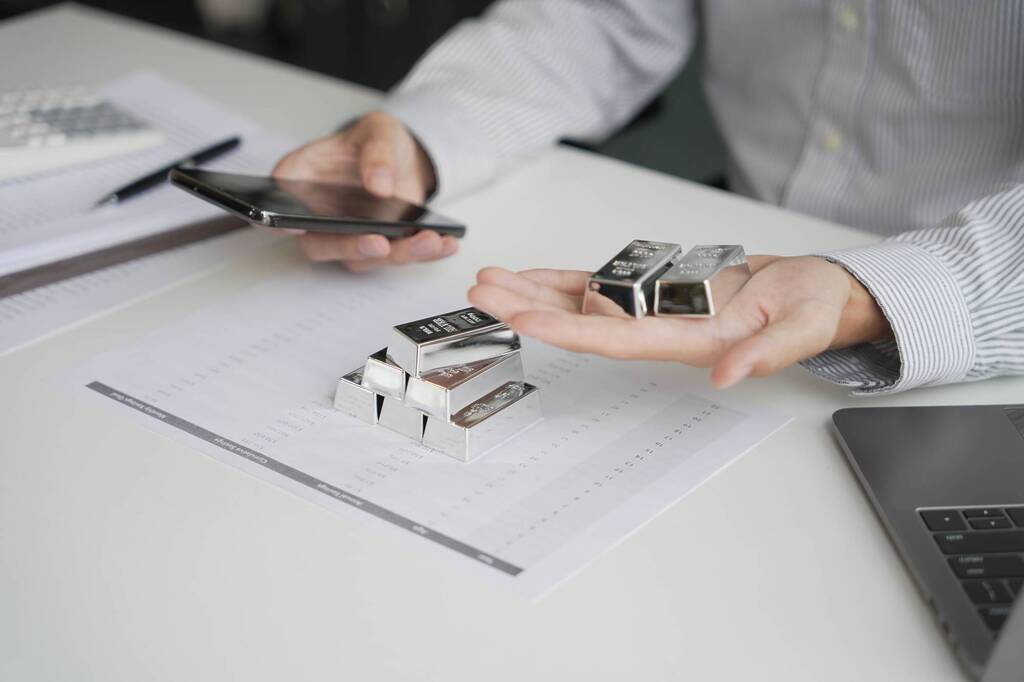
IRA-eligible silver bars generally need to meet the .999 fineness requirement and come from an approved refiner or manufacturer. Refiners recognized by established commodity exchanges and industry organizations produce many qualifying bars.
Bars should also carry clear markings showing details such as their weight, purity, and the refiner’s identifying hallmark. These markings help verify what you’re purchasing and whether the product meets applicable IRA requirements.
Silver rounds may qualify as well, provided they meet the same purity and source requirements. Shape is not what determines eligibility. What matters more is its purity, manufacturer, documentation, and compliance with IRA requirements.
Eligible vs. Ineligible Silver
| Product Type | IRA Eligible? | Requirement |
| American Silver Eagle | Yes | Specifically authorized government coin |
| .999 approved-refiner bars | Yes | Must come from an approved refiner |
| Numismatic or collectible coins | No | Generally excluded |
| Silver below .999 fineness | No | Fails purity rule unless specifically allowed |
How to Start a Silver IRA: Step-by-Step
If you’re ready to learn how to start a silver IRA, the process may be more manageable than you expect. Working with an experienced custodian and precious metals dealer can help you understand each stage and avoid unnecessary confusion.
Step 1: Choose a Self-Directed IRA Custodian
Start by selecting a custodian that supports self-directed IRAs holding precious metals. This step matters because not every IRA company allows you to purchase and hold physical silver.
Your custodian handles the administrative side of the account, including required paperwork, reporting, and coordination with the approved depository.
Step 2: Fund the Account
You may be able to fund the account through a rollover, transfer, or new contribution. Some people use funds from an existing IRA or eligible 401(k), depending on the rules of their current retirement plan and their individual eligibility.
Before moving retirement funds, make sure you understand the process and any requirements that apply to your account.
Step 3: Select IRA-Eligible Silver
After your account is funded, you can choose silver products that meet applicable IRS standards. This is where the requirements for coins, bars, purity, refiners, and approved sources become especially important.
Your dealer and custodian can help you confirm whether a particular silver product is suitable for your IRA before the purchase is completed.
Step 4: Arrange Approved Depository Storage
Your silver must then be sent to an approved depository. Depending on the facility, you may have different storage arrangements available. Some depositories offer commingled storage, where your metals are stored alongside metals belonging to other clients. Others may offer segregated storage, where your holdings are stored separately.
Choosing the Best Silver IRA Company
The best silver IRA company is the one that makes the process easier to understand. You should be able to get clear information about fees, silver products, custodians, storage choices, and rollover procedures before making a decision.
Use this checklist when comparing companies:
- Transparent pricing without unexpected or hidden charges
- Experience working with self-directed precious metals IRAs
- Access to qualified custodians and approved depositories
- A useful selection of IRA-eligible silver products
- Helpful support before, during, and after your purchase
- Clear educational guidance without high-pressure sales tactics
A reputable company should give you the information you need to understand your choices. It should also help you verify product eligibility, understand storage requirements, and avoid preventable compliance mistakes.
More importantly, you should feel comfortable asking questions about costs, account setup, storage, products, and the overall process before committing your retirement funds.
Frequently Asked Questions
1. Can I store my silver IRA metals at home?
No. Under silver IRA rules, IRA-owned silver must be held through the proper account structure and stored in an approved depository.
2. What silver purity does the IRS require for an IRA?
Silver generally needs to meet .999 fineness, meaning it is 99.9% pure. Certain specifically authorized coins, including the American Silver Eagle, are commonly used in precious metals IRAs.
3. Can I roll over my 401(k) into a silver IRA?
Many people can roll eligible 401(k) funds into a silver IRA, but the options available to you depend on your current plan rules, employment status, and account eligibility. Confirm the requirements before beginning a rollover so you understand how the transfer should be completed.
4. Are collectible or graded silver coins IRA eligible?
Usually, no. Collectible, rare, numismatic, and many graded coins generally are not considered IRA-eligible silver. A coin’s value or popularity does not necessarily determine whether it can be held in an IRA. Eligibility depends on whether the product meets the applicable IRA requirements.
5. How much silver do I need to start a silver IRA?
There is no single universal IRS minimum amount of silver required to open an account. However, individual custodians, precious metals dealers, and depositories may have their own account minimums, purchase requirements, or storage fees. Ask about these requirements upfront so you know what costs and minimums may apply before opening your account.
6. How do I choose the best silver IRA company?
Look for a company that provides clear information about fees, approved storage, eligible silver products, custodians, and the account setup process. Strong customer reviews and responsive support can also help you compare providers.
Final Thoughts
Understanding silver IRA rules can help you avoid some of the most common mistakes, including purchasing ineligible silver, storing IRA-owned metals incorrectly, or choosing a provider without the right experience. Once you understand the basic requirements around purity, eligible products, custodians, and storage, you can make decisions with greater clarity.
If you want help choosing IRA-eligible silver or comparing available storage options, Sanctuary Metals can walk you through the process.
Contact us today to discuss your precious metal investments.