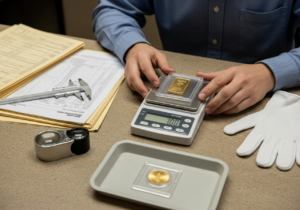

What Is a Silver ETF vs Physical Silver?
A silver ETF is a stock-market security designed to track the price of silver, while physical silver is actual metal you own directly, usually in the form of coins, bars, or rounds. For retirement investors, the main difference is ownership and access. A silver ETF offers convenience, liquidity, and easy trading inside a brokerage or retirement account. Physical silver offers direct ownership of a tangible asset, but it also requires storage, insurance, and careful buying and selling.
Both can give investors exposure to silver prices. However, they are not the same investment. A silver ETF is financial exposure to silver. Physical silver is direct possession or allocated ownership of the metal itself. Understanding that distinction is essential before deciding which belongs in a retirement strategy.
How a Silver ETF Works
A silver ETF, or exchange-traded fund, trades on the stock market like a regular stock. The best-known example is SLV, the iShares Silver Trust. When investors compare the pros cons SLV, they are usually looking at how easy it is to buy and sell versus the fact that they do not personally hold the silver.
Most silver ETFs are designed to follow the spot price of silver, minus fund expenses. Investors buy shares through a brokerage account, and those shares rise or fall as silver prices move. This makes silver ETFs simple to use for investors who already own stocks, bonds, mutual funds, or exchange-traded funds in an IRA or taxable account.
For retirement investors, the appeal is clear. A silver ETF can be purchased quickly, sold during market hours, and held in many standard investment accounts. There is no need to arrange shipping, storage, or vaulting. Furthermore, the bid-ask spread on major silver ETFs is often narrower than the retail spread on physical coins and bars.
Nevertheless, a silver ETF is still a paper asset. You own shares in a trust, not silver coins in your hand. The fund may hold silver to support its shares, but your rights are governed by the ETF’s structure, prospectus, custodial arrangements, and market rules. In other words, the investment is tied to silver, but it is not the same as owning physical bullion yourself.
How Physical Silver Works
Physical silver means actual metal. This may include American Silver Eagles, Canadian Maple Leafs, privately minted rounds, or bars of various sizes. Investors buy physical silver from coin dealers, precious metals firms, or sometimes private sellers. The value is based on the silver content, condition, product type, and market premium.
Physical silver appeals to investors who want direct ownership outside the financial system. They may view it as a long-term store of value, a hedge against currency weakness, or a form of portfolio insurance. In particular, investors who distrust financial intermediaries often prefer bullion because it has no management structure, no annual fund expense, and no share registry.
However, physical silver comes with practical responsibilities. You must decide where to keep it. Home storage offers immediate access, but it creates security concerns. Bank safe deposit boxes may add privacy and security, yet they are not always accessible outside banking hours and may not be insured for precious metals. Professional depositories can provide secure storage and insurance, but they charge fees.
In addition, buying physical silver usually involves premiums above the spot price. When you sell, the dealer may pay below the retail selling price. As a result, the round-trip cost can be much higher than buying and selling a large silver ETF. This does not mean physical silver is a poor investment. It simply means investors should understand the cost structure before buying.
Silver ETF vs Bullion: Key Differences
The silver ETF vs bullion decision often comes down to purpose. If an investor wants quick price exposure and easy account reporting, a silver ETF may fit better. If the investor wants direct ownership of a tangible asset, bullion may be more appropriate.
Liquidity is one major difference. A silver ETF can usually be sold in seconds during market hours. Physical silver must be sold to a dealer, another investor, or through a marketplace. That process can take more time, and the price may depend on the type of silver you own and local market demand.
Storage is another difference. A silver ETF does not require personal storage because the fund handles custody at the trust level. Physical silver requires storage decisions, and those decisions affect cost and risk. For large holdings, storage becomes a serious planning issue.
Counterparty risk also differs. A silver ETF depends on a custodian, trustee, market maker, and brokerage system. Physical bullion removes many of those financial intermediaries, especially if you hold it directly. Yet physical silver introduces other risks, including theft, loss, or improper handling.
Tax treatment may also matter. In the United States, physical silver and many silver ETFs are generally treated as collectibles for federal tax purposes when held in taxable accounts. This may result in a higher long-term capital gains tax rate than stocks. However, tax rules can vary by account type and investor situation. Therefore, retirement investors should discuss tax treatment with a qualified tax advisor before buying.
Pros and Cons of SLV and Similar Silver ETFs
When investors study the pros cons SLV, the main advantage is convenience. SLV is widely traded, easy to buy, and easy to sell. It gives investors a practical way to gain silver exposure without handling physical metal. It can also be useful for tactical allocation, rebalancing, or short-term positioning.
Moreover, ETFs often provide clearer pricing. Investors can see the market price throughout the trading day. They can also compare the ETF’s price to the silver spot price and review expense ratios and fund documents.
The disadvantages are mainly related to ownership structure. SLV shareholders generally do not have the right to redeem shares for physical silver unless they meet large institutional requirements. Most individual investors will only buy and sell shares for cash. Consequently, SLV should not be viewed as a substitute for having silver bars or coins available for direct personal use.
There is also an annual expense ratio, which slowly reduces returns compared with the underlying metal price. This cost may seem small over a short period, but it can matter over many years. In contrast, physical silver has no annual management expense if stored personally, though it may have storage, insurance, and transaction costs.
Which Is Better for Retirement Investors?
There is no single answer. The better choice depends on the role silver is supposed to play in the retirement plan.
For investors who want portfolio diversification and price exposure, a silver ETF may be more efficient. It is easy to size the position, rebalance, and hold alongside stocks and bonds. This can be especially useful in IRAs or brokerage accounts where simplicity matters.
For investors who want a tangible asset outside traditional financial accounts, physical silver offers something an ETF cannot: direct possession or allocated ownership of real metal. This may be valuable for those who view precious metals as long-term protection rather than just another tradable asset.
Ultimately, silver should usually be a limited part of a diversified retirement portfolio. Silver can be volatile. Its price may rise sharply during certain periods, but it can also fall hard and stay weak for years. Unlike dividend-paying stocks or bonds, silver does not produce income. For this reason, investors should be careful about putting too much retirement money into either silver ETFs or bullion.
A balanced approach may use both. Some investors hold a silver ETF for liquidity and use physical bullion for long-term financial insurance. This combination can make sense when each part has a clear purpose.
FAQ
Is a silver ETF backed by real silver?
Many major silver ETFs are designed to be backed by physical silver held by a custodian. For example, SLV is structured as a trust that holds silver bullion. However, an investor owns shares of the trust, not specific bars that can usually be claimed by the individual shareholder.
Specifically, the fund’s silver is held under custody arrangements described in its prospectus. Investors should read those documents to understand how the silver is stored, who the custodian is, what rights shareholders have, and what risks apply. The existence of silver backing does not make ETF shares identical to personal bullion ownership.
Can I hold physical silver in an IRA?
Yes, but only if the silver meets IRS requirements and is held through a proper self-directed IRA structure with an approved custodian and depository. You generally cannot buy IRA silver and store it at home while still receiving IRA tax treatment.
Eligible silver usually must meet certain purity standards, such as .999 fine silver, though specific coins and bars may qualify. Because the rules are strict, retirement investors should work with knowledgeable custodians and tax professionals before using an IRA to buy physical silver. Mistakes can create taxes, penalties, or disqualification issues.
Is physical silver safer than a silver ETF?
Physical silver and silver ETFs have different types of risk. Physical silver avoids some financial system risks because you own the metal directly. However, it introduces storage, theft, insurance, and resale concerns. If silver is lost or stolen and not insured, the loss may be permanent.
A silver ETF avoids home storage issues and is easier to sell, but it depends on brokers, custodians, exchanges, and the fund’s legal structure. Therefore, “safer” depends on what risk concerns you most. Investors focused on convenience may prefer ETFs, while investors focused on direct ownership may prefer bullion.
Does silver protect against inflation in retirement?
Silver may help during some inflationary periods, especially when investors lose confidence in paper currencies or real interest rates are low. However, silver is not a perfect inflation hedge. Its price is also affected by industrial demand, investor sentiment, mining supply, currency movements, and broader market conditions.
For retirement planning, silver should usually be viewed as a diversifier rather than a guaranteed inflation solution. A sound inflation strategy may also include stocks, Treasury Inflation-Protected Securities, real assets, cash reserves, and careful withdrawal planning.
Should I buy silver coins, bars, or an ETF?
Coins, bars, and ETFs serve different needs. Silver coins are recognizable and often easier to sell in small amounts, but they may carry higher premiums. Bars may offer lower premiums per ounce, especially in larger sizes, but they can be less flexible when selling. A silver ETF is the easiest option for trading and portfolio management, but it does not provide personal possession of metal.
The right choice depends on your goal. If you want simple exposure to silver prices inside an investment account, an ETF may be suitable. If you want tangible silver for long-term holding, coins or bars may be better. In many cases, the best decision starts with defining the purpose of the silver before choosing the product.